- 9 June 2024
- 6 Min Read
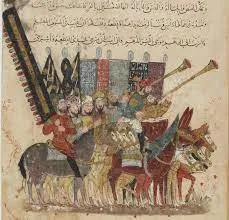
Fatimid criminals, mercenaries, and slave soldiers were key in bolstering the Caliphate's military power, yet faced numerous social and racial challenges.
- 2 June 2024
- 5 Min Read

Crusading Criminality and the Architecture of Fear: Burglars often entered homes by breaching walls, a testament to the insubstantial construction of the era.
- 26 May 2024
- 9 Min Read
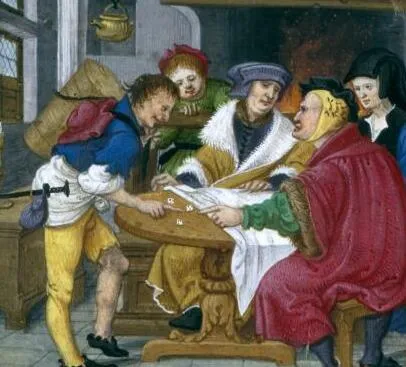
Crusading Criminals: Kings and princes indulged in gambling, reflecting poorly on royal stature.
- 19 May 2024
- 5 Min Read
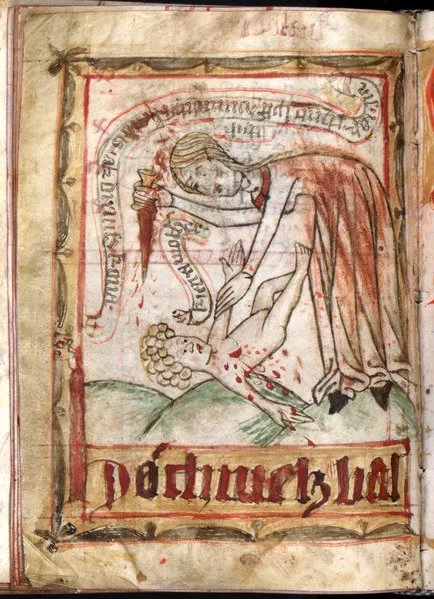
Women and Crusading Crime: Medieval crime mirrored norms, with men committing violent acts and women engaging in petty theft, a disparity more pronounced in crusader states.
- 12 May 2024
- 7 Min Read
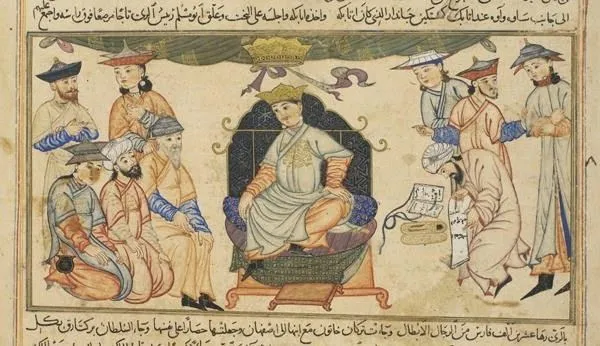
When Alcoholism turned the tide in Crusader defence; Il-Ghazi's spree was their gain.
- 5 May 2024
- 8 Min Read
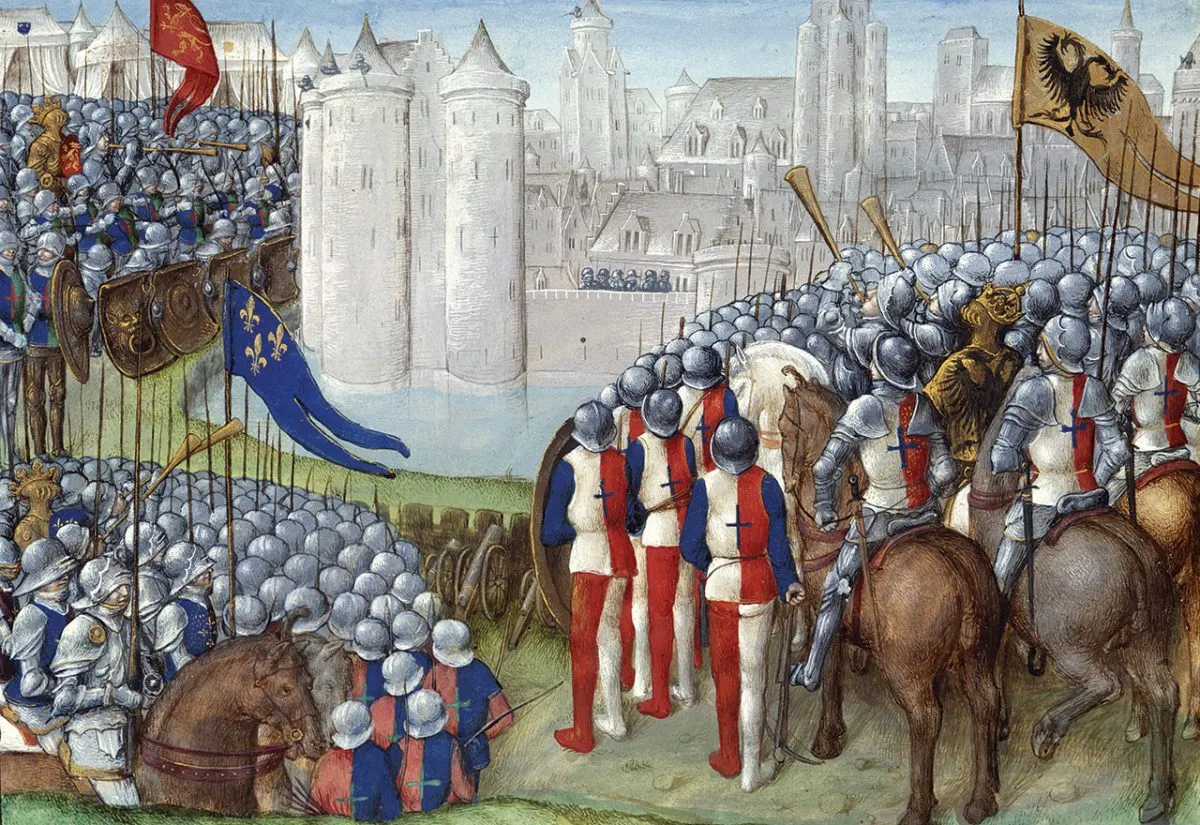
Crusaders at War: Crusaders' ill-discipline and criminality blurred the lines of warfare, escalating internal conflicts and straining crucial alliances.
- 28 March 2024
- 6 Min Read

Strategy and a Medieval State in Crisis: Despite strategic efforts, the crusader states faced insurmountable odds and ultimately, their downfall.
- 24 March 2024
- 14 Min Read

Crusading warfare illuminated by Clausewitz's concepts of 'fog of war' and 'friction'—ever-present challenges in medieval strategic planning.
- 18 March 2024
- 10 Min Read
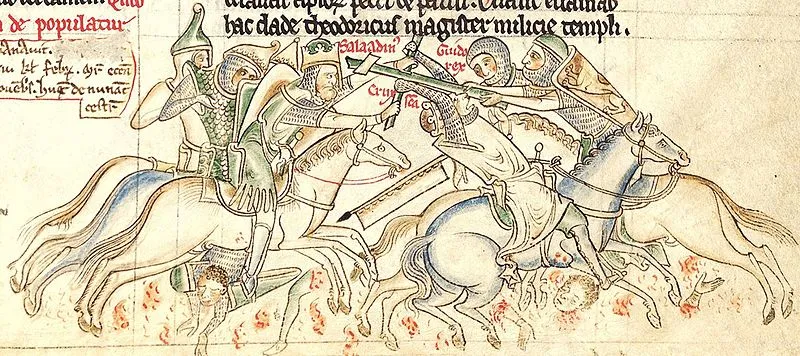
Fighting a Losing Battle, crusader states exemplified strategic perseverance against inevitable defeat, embodying tactical resilience.
- 10 March 2024
- 12 Min Read
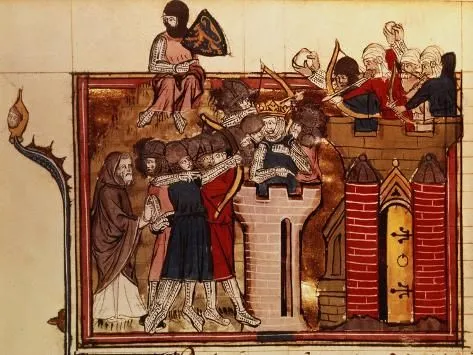
Strategic Culture and Adaptability: Crusader states showcased surprising strategic flexibility, challenging stereotypes of medieval military rigidity.