
Editor’s Book Picks – March 2026
- Luciano Anastasi
- 5 March 2026
- 0 Comment
- 4 Min Read
This Month’s Picks at a Glance
Medieval history rarely fits the tidy labels we give it, and the books chosen for this month’s selection remind us why. Michael Livingston stretches the familiar “Hundred Years’ War” into a longer conflict shaped by dynastic ambition and shifting alliances, while Cat Jarman follows Viking trade routes that connected Scandinavia to worlds far beyond the North Sea. Eleanor Parker steps inside the rhythm of an Anglo-Saxon year, where weather, harvests, and saints’ days ordered daily life. Carolyne Larrington examines the cultural meanings of dragons in medieval imagination, and Eleanor Janega revisits the historical record to challenge persistent myths about women in the Middle Ages. Read together, these works offer different windows onto the medieval past—each grounded in sources, each widening our sense of how complex that world really was.
Recasts the Anglo-French conflict as a two-century struggle, blending battles, diplomacy, finance, logistics, strategy, and dynastic politics from 1292 to 1492.
Tracks Vikings along river routes to the Silk Roads, using archaeology and genetics to reveal trade, power, and multicultural connections.
Guides readers through the Anglo-Saxon year, showing how seasons, saints, poems, weather, landscape, and farming shaped belief and daily life.
Explores dragons in myth and medieval art, tracing how the creature symbolised fear, wisdom, power, kingship, magic, and moral warning.
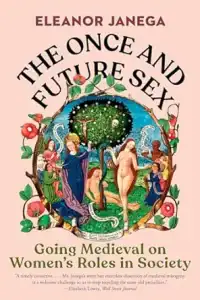
Debunks modern myths about medieval women, showing varied roles, constraints, law, work, culture, and agency—and why those stories get weaponised.
Why We Chose These Medieval Reads
Michael Livingston argues the ‘Hundred Years’ War’ is better understood as a longer, messier Anglo-French struggle spanning two centuries. He follows rulers, claimants, captains, and communities through shifting alliances, truces, raids, and full-scale invasions. Clear narrative meets revisionist framing, with attention to economics, law, and propaganda as much as to campaigns and sieges, across England and France. In surprising detail.
Cat Jarman uses a single silver hoard as a gateway into the Viking world of rivers, markets, and exchange. Blending archaeology, DNA, and close reading of objects, she shows Vikings as traders and power brokers moving between Scandinavia, the Baltic, and beyond. It’s a vivid corrective to the axe-only stereotype, without softening the violence—or the ambitions behind it. In every chapter.
Wars, Dynasties & Crusades
Eleanor Parker leads a seasonal journey through Anglo-Saxon England, month by month, where weather, farming, feasts, and saints’ days structured life. Drawing on poems, chronicles, sermons, and art, she reveals how people understood time, landscape, and the sacred. The result is intimate cultural history: how it felt to live through winter darkness and summer abundance, year after year. With brilliance.
Carolyne Larrington surveys dragons across medieval Europe and earlier myth, from serpents in saints’ lives to beasts in romance, heraldry, and church carving. She explains what dragons meant: chaos, temptation, guardianship, prestige, and sometimes comic mischief. Short, richly illustrated, and sharp, it’s ideal for readers curious about how one monster carried many messages, across centuries and cultures. With crisp scholarship.
Eleanor Janega dismantles the modern fantasy of a single ‘traditional’ medieval woman’s role. Using legal records, theology, literature, and social history, she shows women as workers, litigants, patrons, and political actors—within real constraints that varied by place and class. She also tracks how selective medievalism gets used in today’s culture wars, and why accuracy matters for everyone. Right now, too.
License & Copyright
The copyright holder has published this content under the following license: Creative Commons Attribution-NonCommercial-ShareAlike. This license lets others remix, tweak, and build upon this content non-commercially, as long as they credit the author and license their new creations under the identical terms. When republishing on the web a hyperlink back to the original content source URL must be included. Please note that content linked from this page may have different licensing terms.
If I have mistakenly misused any of your content, artwork, images, or videos, please contact me on historymedieval62@gmail.com and I will take the necessary corrective action.
This website uses affiliate links. If you purchase via these links, we might earn a commission that contributes to sustaining the HistoryMedieval.com platform.
Luciano Anastasi
Luciano is the founder of the MedievalHistory platform and the LinkedIn History Enthusiasts Group, where he is dedicated to curating and sharing high-quality medieval history content. His goal is to engage scholars, teachers, students, and enthusiasts by fostering insightful discussions and promoting scholarly resources on topics from medieval warfare and religion to societal transformations and daily life in the Middle Ages.
Luciano is also an active book reviewer, focusing on academic publications related to medieval history. He recently collaborated with Yale University Press to review forthcoming medieval history titles, aiming to deepen educators' and researchers' understanding of the period. Alongside his history endeavors, he has over 40 years of experience in IT leadership roles across various industries, including the public sector, banking, insurance, airlines and consulting, and has contributed to United Nations projects.
With a Master of Arts in Business Process Management, Luciano combines his expertise in IT strategy and governance with his passion for medieval history. He leverages technology to bridge the academic community and the wider public, making historical scholarship more accessible through engaging online content.




