Best Medieval History Books – November 2026
- Luciano Anastasi
- 15 November 2026
- 0 Comment
- 6 Min Read
Editor’s Picks This Month at a Glance
November’s selection of medieval history books takes us from the imposing castles of medieval Europe to the royal courts of Anglo-Saxon England, and from the lives of remarkable women to the upheaval of the Norman Conquest. Each of these five works offers a different perspective on the medieval world, combining historical research with engaging narratives that bring the people, places and events of the past into sharper focus.
This month’s recommendations include Dan Jones’s Castles, an ambitious exploration of fortifications and the power they represented, and Cat Jarman’s The Bone Chests, a fascinating archaeological investigation into the identities of England’s early rulers. Eleanor Parker’s Conquered examines the human consequences of the Norman Conquest, while Ashley Sarah Firth’s Trailblazing Medieval Women introduces women whose achievements deserve greater recognition. Completing the selection is Max Adams’s The Mercian Chronicles, which revisits the political ambitions and influence of one of Anglo-Saxon England’s most powerful kingdoms.
Together, these books reflect the richness and diversity of medieval history. Whether you are drawn to political intrigue, archaeological discoveries, military architecture or the lives of individuals too often overlooked, November’s Timebound selection offers five rewarding journeys into the medieval past.
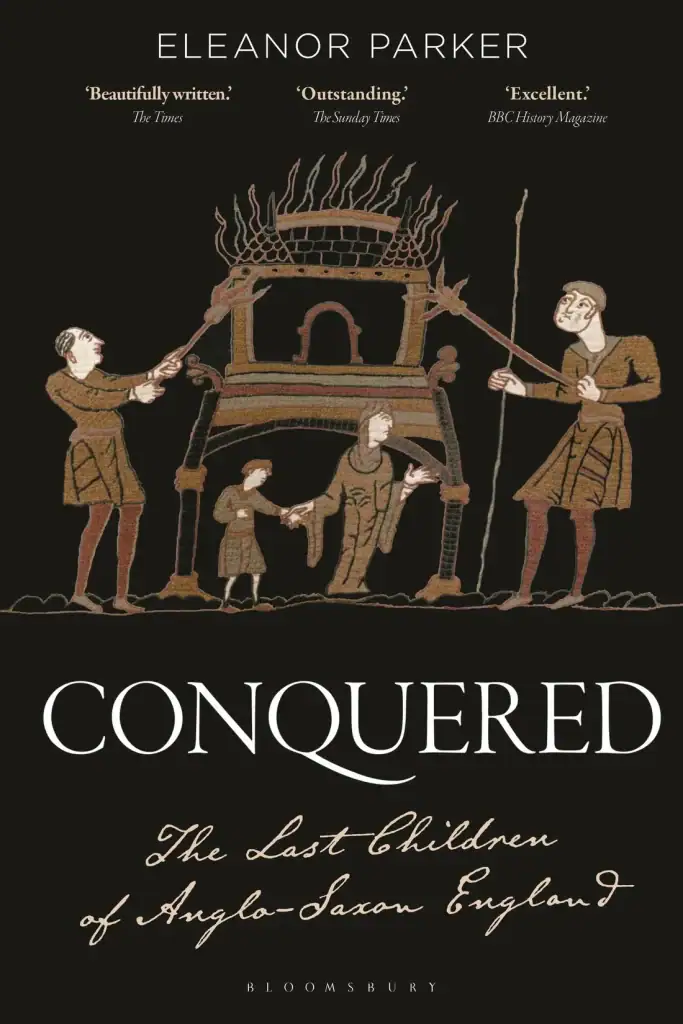
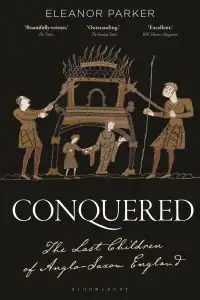
Eleanor Parker explores the generation that experienced the Norman Conquest, revealing how dispossession, survival and remembrance reshaped the lives of England’s last Anglo-Saxon heirs.
Cat Jarman investigates mysterious royal remains preserved at Winchester Cathedral, using archaeology and forensic science to reveal stories from Anglo-Saxon England’s turbulent dynastic past.
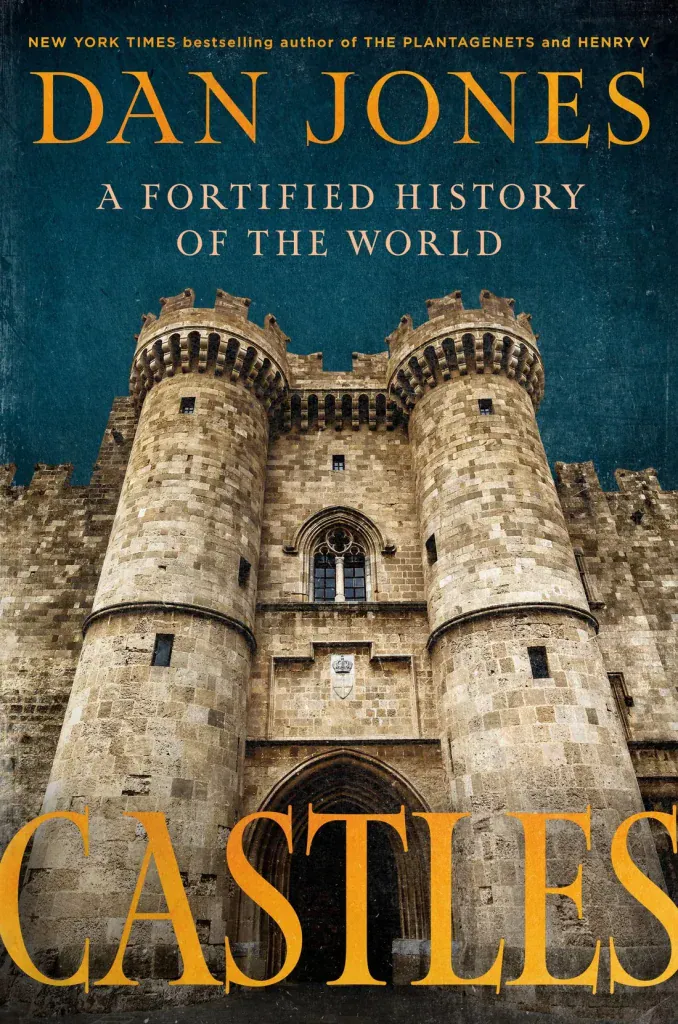
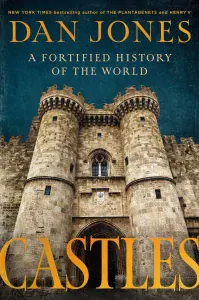
Dan Jones explores the world’s greatest fortifications, revealing how castles shaped warfare, political power, royal ambition and the imagination across centuries and diverse civilisations.
Ashley Sarah Firth recovers the remarkable achievements of medieval women, exploring how queens, warriors, writers and visionaries challenged expectations and shaped history across centuries.
Max Adams explores Mercia’s powerful Anglo-Saxon rulers, examining how warfare, kingship, religious institutions and territorial ambition contributed to the emergence of medieval English political identity.
Why We Chose These Medieval Reads
In Castles, bestselling historian Dan Jones examines the fortifications that have shaped human history, from ancient strongholds to the great castles of medieval Europe and defensive structures elsewhere in the world. Through stories of sieges, rulers, soldiers and the communities living beneath fortified walls, Jones explores why people built castles and what these buildings represented. Military innovation, political authority, prestige and survival emerge as recurring themes. Combining historical research with accessible storytelling and illustrations, the book moves beyond architecture to consider the human experiences associated with fortification. It offers an expansive, engaging history of some of the world’s most enduring monuments.
In The Bone Chests, bioarchaeologist Cat Jarman investigates the decorated mortuary chests of Winchester Cathedral, traditionally associated with Anglo-Saxon rulers and other prominent medieval figures. The remains were disturbed during the English Civil War, complicating attempts to establish their identities. Jarman uses modern archaeological techniques and historical evidence to reconstruct the people, events and dynastic struggles connected with the cathedral’s remarkable collection. The investigation also reveals how succeeding generations interpreted and sometimes manipulated the memory of their predecessors. Blending historical detective work with scientific enquiry, the book offers an accessible account of England’s early rulers and the difficulties of recovering their identities.
Conquered examines the young people whose lives were transformed by the Norman invasion of England in 1066. Rather than concentrating exclusively on William the Conqueror and the battles that secured his victory, Eleanor Parker follows individuals who inherited the consequences of defeat. Through their experiences, she explores displacement, dynastic uncertainty, cultural adaptation and the survival of Anglo-Saxon identities under Norman rule. The book also considers how memories of the conquered developed over subsequent generations. Combining careful scholarship with sensitive storytelling, Parker recovers personal histories that illuminate the human cost of one of medieval England’s most consequential political transformations.
Trailblazing Medieval Women explores the lives of remarkable women whose achievements challenged the social and political expectations of medieval society. Ashley Sarah Firth introduces rulers, consorts, warriors, writers and visionaries who exercised influence in a world frequently dominated by male authority. Moving from Anglo-Saxon England to the Wars of the Roses, she examines how women negotiated power, defended their interests and shaped historical events. The book seeks to recover voices often marginalised in conventional narratives while demonstrating the diversity of women’s experiences. Combining historical research with accessible storytelling, it provides an engaging introduction to female achievement throughout the medieval centuries and beyond.
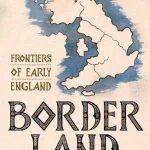
The Mercian Chronicles investigates the rise of Mercia as one of the most influential kingdoms of early medieval Britain. Max Adams examines the political ambitions of rulers such as Æthelbald and Offa, whose authority extended across much of Anglo-Saxon England during the eighth century. Drawing on archaeology, historical records and landscape evidence, he explores how warfare, diplomacy, religion and landholding shaped Mercian power. The narrative also considers the kingdom’s complicated relationship with neighbouring territories and the emerging political structures of England. Adams presents Mercia not simply as a rival kingdom but as a formative influence on England’s later political development.
Copyright, Licensing and Disclosure
© HistoryMedieval. This article is licensed under the Creative Commons Attribution–NonCommercial–NoDerivatives 4.0 International licence (CC BY-NC-ND 4.0). It may be shared unchanged for non-commercial purposes, provided that HistoryMedieval is credited and a link to the original article is included. Adaptation, commercial use and unauthorised AI reuse are prohibited.
Third-party images and materials may be subject to separate copyright terms. This article may contain affiliate links or clearly identified sponsored content.
If you believe that any text, artwork, photograph, video or other material published in this article infringes your copyright, please contact info@historymedieval.com, identifying the material concerned and the relevant article URL. We will investigate the matter and, where appropriate, take prompt corrective action.
Luciano Anastasi
Luciano is the founder of the MedievalHistory platform and the LinkedIn History Enthusiasts Group, where he is dedicated to curating and sharing high-quality medieval history content. His goal is to engage scholars, teachers, students, and enthusiasts by fostering insightful discussions and promoting scholarly resources on topics from medieval warfare and religion to societal transformations and daily life in the Middle Ages.
Luciano is also an active book reviewer, focusing on academic publications related to medieval history. He recently collaborated with Yale University Press to review forthcoming medieval history titles, aiming to deepen educators' and researchers' understanding of the period. Alongside his history endeavors, he has over 40 years of experience in IT leadership roles across various industries, including the public sector, banking, insurance, airlines and consulting, and has contributed to United Nations projects.
With a Master of Arts in Business Process Management, Luciano combines his expertise in IT strategy and governance with his passion for medieval history. He leverages technology to bridge the academic community and the wider public, making historical scholarship more accessible through engaging online content.