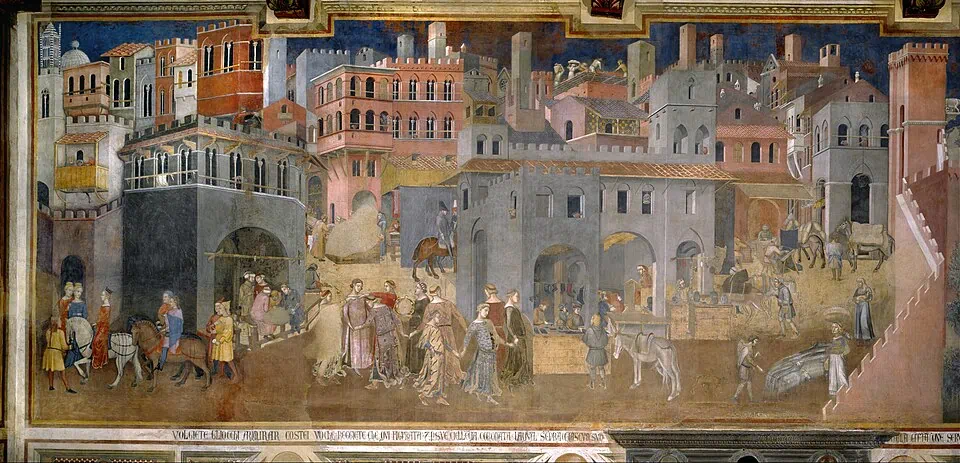
Digital Storytelling:: Discover how digital storytelling brings medieval history to life through historical maps, manuscripts, artefacts, personal stories and visual narratives.
- 22 August 2026
- 6 Min Read
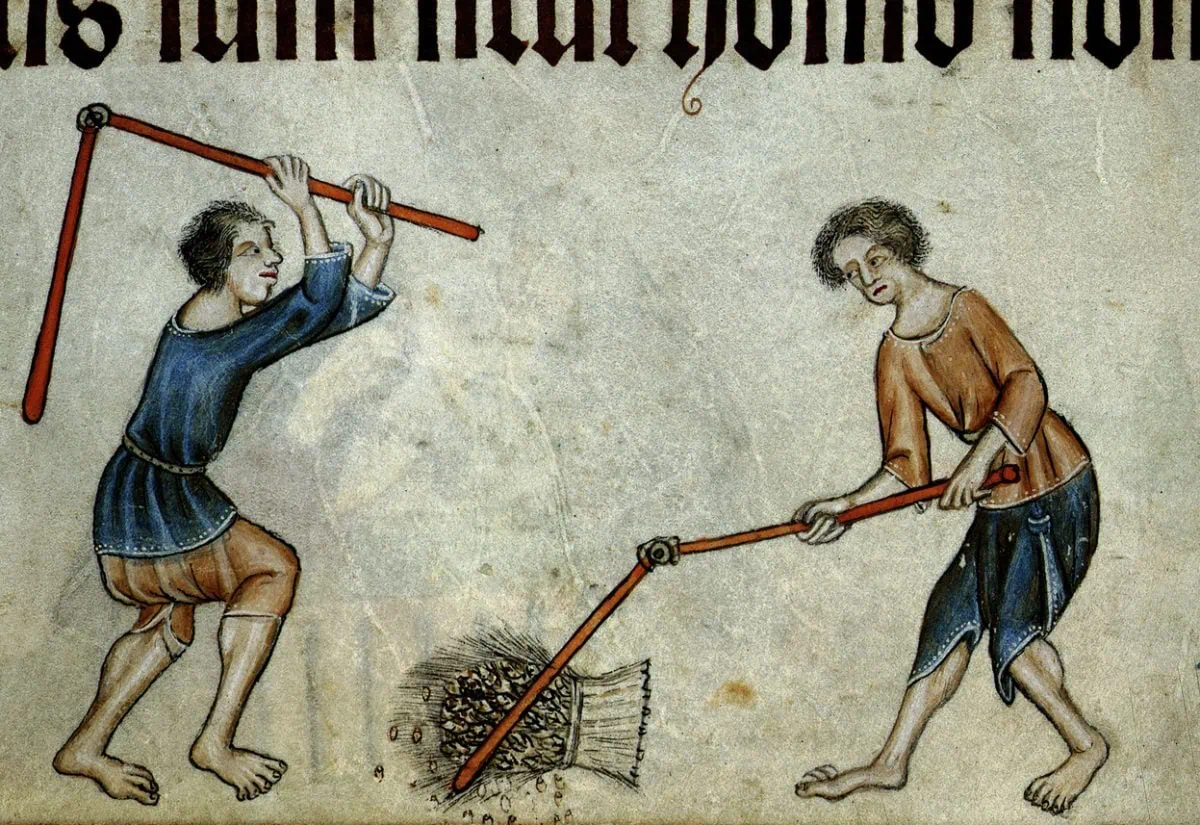
Creative Medieval Project ideas turn manuscripts, castles, food, travel and daily life into hands-on historical investigations rooted in real evidence.

Were Card Games Popular in Medieval Europe? Discover how playing cards spread, varied by region, and transformed leisure during the late Middle Ages.
- 23 March 2026
- 11 Min Read

Mysterious Medieval Tunnel: At Reinstedt, a team found an erdstall cut into a 6,000-year-old grave enclosure, reigniting refuge-versus-ritual debates once more.
- 26 February 2026
- 16 Min Read

What Did Medieval People Eat Every Day? In the 13th–14th centuries, most meals meant bread, pottage and ale—shaped by price, season, and fasting.
- 23 February 2026
- 13 Min Read

Otto the Great: A conservation crisis in Magdeburg Cathedral led to the 2025 opening of his inner coffin—revealing bones, textiles, and eggshells.
- 4 November 2025
- 10 Min Read

Engraved Gems as Seals. Medieval rings paired ancient intaglios with Christian faith—used to stamp documents and guard wearers with sacred images and words.